
Liturgy as Defending the Faith
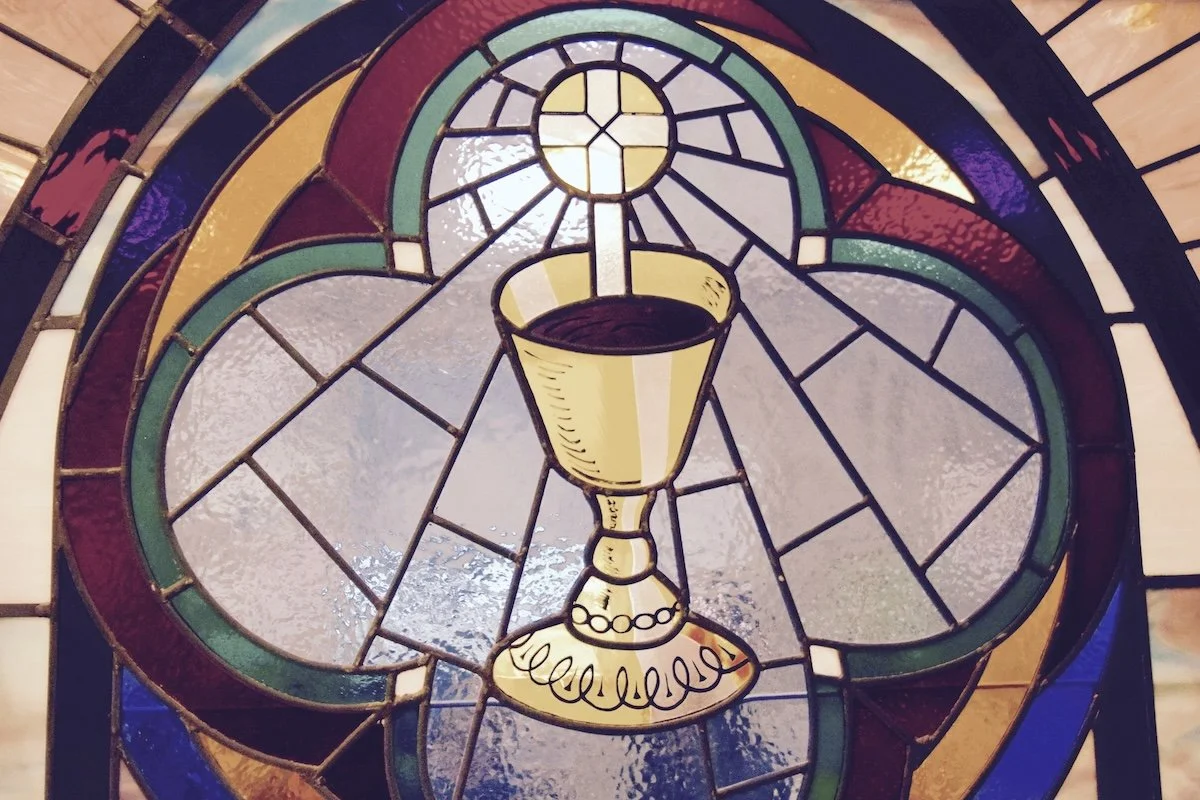
Photo by Bonnie
The worship life of the church is a controversial subject. People can be very opinionated and protective when it comes to their worship preferences. The late 90s and early 2000s evangelical seeker-sensitive movement, in which I came of age, stripped anything that seemed remotely “traditional” from the worship service. The thought process went something like this: If we remove all the confusing, weird, or boring elements of worship and make worship more entertaining, people will attend. The emphasis was on attracting people through cultural trends. It assumed that people did not want to sit through long/multiple scripture readings, pastoral prayers, and responsive readings. As a result many churches removed theological language and worship practices that would require catechesis.
Along the same lines, I’ve often heard it argued ad nauseam that young people don’t like or value traditional liturgy in worship. While this assumption is unsupported, it is also unwise to uplift the elusive preferences of young people (as if all young people are a monolith) as the standard for gospel faithfulness. The question should not be, “What do people want?” The question should be, “What does God want?” (Interestingly enough, the liturgical trends of young people point toward both traditional liturgy and modern worship. The fastest-growing denominations in younger demographics are historically liturgical denominations. Christianity Today spends some time unpacking this phenomenon.)
While proponents of the seeker-sensitive model were undoubtedly noble in their intentions and zeal for the spread of the gospel, we now see that removing robust theological practices from worship might not have been the best idea. Ligonier Ministries recently took the evangelical webosphere by storm when it published the findings of its 2025 State of Theology survey. Many have taken up the pen to diagnose the problem and prescribe remedies for the sad state of evangelical orthodoxy. While we must tackle the problem from multiple angles and beware of facile answers, I would suggest that providing more robust theological content in the life of the worshipping community is a place to start. In the Wesleyan world this could include a recovery of the Book of Common Prayer or John Wesley’s Sunday Service, among other resources.
An all-too-common response is, “That’s too stifling,” or “That’s not Spirit-filled.” Two thousand years of church tradition suggests otherwise. Apostles, martyrs, saints, and mothers and fathers of the Church have joined in the mighty liturgical chorus. For example, many parts and phrases of the eucharistic liturgies we use today were on the lips of those torn apart by wild beasts in a Roman coliseum, as well as the Protestant reformers who championed salvation by grace through faith. The liturgy is much more significant than our small blip in time (lest we forget that we aren’t the center of the universe). The same Spirit who inspired the writing of the Holy Scriptures prompted the Church to fashion a guide to worship anchored in the divine revelation of God that would last for centuries. It is steeped in the power and work of the Holy Spirit.
Likewise, it is an error to create a false dichotomy and claim that the church cannot sing modern worship music while also utilizing liturgy. The saints of the church can lift their hands in worship, dance in adoration, pray corporate prayers and collects, stand for the gospel lesson, recite the creed, experience miracles through the laying on of hands, receive the Eucharist, prophesy, and soak in the presence of God in the same worship service. The structure and form of liturgy provide space for faithful extemporaneous acts of worship. We can cultivate Spirit-filled engagement of the head and the heart.
Liturgy as Defending the Faith
The liturgy of the church is important as it provides structure and theological guidance for worship. It protects a denomination’s theology and practice of worship. In many historic, orthodox traditions a bishop is tasked with defending the doctrine, liturgy, and discipline of the church. Similarly, clergy vow to uphold the liturgy of their tradition. Liturgy is the rehearsal of a tradition’s doctrine and must be defended and upheld as such. The liturgy of the church acts as a guide to right belief and encounter with God.
Learning and engaging with liturgy is an exercise in defending and preserving the faith. The church's liturgical practice invites the community into the life of God and teaches the orthodox faith of the church. Pastors would be wise to become familiar with sacramental liturgies, for example, as an act of stewarding the faith that has been handed down to us. It’s not something to take lightly. We need doctrine, spirit, and discipline. Many pastors and students I work with have barely engaged with sacramental liturgies at a significant level. Simple questions about the sacraments can be answered by reading the liturgies. I’ve watched with joy as many of my students realize that they don’t have to make things up on their own. They can rely on the collective wisdom of the church. That’s good news!
This means that pastors don’t have to haphazardly wing it at the end of a sermon before Communion or manufacture baptism vows when someone professes faith in Christ. The sacraments are not an afterthought or an add-on to the sermon. They are entrusted to the church as channels of grace and participation in the life of God. The eucharistic liturgy, for example, prescribes a distinct theological rhythm that prepares a congregation to receive Christ through confession and pardon, giving thanks, remembrance, and the invocation of the Holy Spirit. At the table the church recounts God’s mighty acts of salvation in Jesus Christ from creation to new creation. It teaches the entirety of God’s story and provides physical means by which we can receive God’s grace.
Liturgy as Church-Centered
Liturgy is a powerful tool because it provides a common language of the faith. It connects us to Christians across barriers of space, time, and culture. While we can intellectualize the teachings of the Church, such as the doctrine of the Trinity or our belief about the work of the Holy Spirit, liturgy gives life to our doctrine in prayer and a unified language. It places emphasis on the corporate life of prayer rather than a solely individualized encounter with God. Both are important. The church is the Body of Christ together as one, the covenant people of God. Evangelical Christianity tends to focus more on individual spirituality and a personal relationship with Christ. Wesleyan Christianity places emphasis on personal justification while giving equal weight to sanctification through social holiness in community. For Wesleyans, the church matters.
Through baptism we declare vows that Christians have professed for centuries and are brought into the household of God with the communion of saints. We are invited into a new way of life which includes new practices, expectations, and a new lexicon. Hebrews 2:9-10 reminds us, “But you are a chosen people, a royal priesthood, a holy nation, God’s special possession, that you may declare the praises of him who called you out of darkness into his wonderful light. Once you were not a people, but now you are the people of God; once you had not received mercy, but now you have received mercy.” Liturgy gives voice to the church to “declare the praises” of God as his covenant people.
Liturgy provides the congregation with the means to participate joyfully in worship. It places less emphasis on performance by a few leaders and more emphasis on the participation of the church as one body. This means that prayers must be pre-scripted rather than solely extemporaneous. A pre-scripted prayer can be meaningful, especially if it’s been time-tested. For example, the Lord’s Prayer, a liturgical prayer originating from Christ himself, gives voice to the values of God. It opens by directly addressing God as “Our Father,” and continues with the plural pronouns us and we (Matthew 6:9-13). Though the Lord’s Prayer is deeply personal, its nature is communal. It is a prayer to be used by the people of God.
Liturgy as Accountability
Liturgy also protects from the danger of focusing too much on one aspect of Christianity to the detriment of others. As pastors and Christian leaders we love to focus on particular scriptures or theological loci. I’ve often heard that preachers have one good sermon that they preach in a multitude of ways over their lifetime. Liturgy helps to keep us honest about leading a congregation through the full counsel of God. For example, the eucharistic liturgy focuses broadly on the entire history of salvation. While most people will solely emphasize the atonement in the Eucharist, we find the theme of Christ’s Table throughout the entirety of scripture, past, present, and future. The table is eschatological; it points to the renewal of all creation at the second coming of Christ. The church believes that through the Eucharist we step outside of chronos time into kairos time, or God’s time, to receive a preview of eternity. The Eucharist transports us into the eternal realm into the presence of the crucified and risen Christ through the power of the Holy Spirit. It’s a gift of the faith that requires accountable stewardship.
When we engage with and internalize the eucharistic liturgy we discover that the Eucharist shines like a multifaceted diamond, radiating God’s power. Simply relying on the example of others or imitating practices at the table from broader Christian culture is problematic. The liturgy holds pastors and the church faithfully accountable to the content of the gospel.
The same holds true for the prayers of the people or the pastoral prayer. The worship service itself is a prayer or dialogue with God. Many modern worship orders have removed the corporate prayer time altogether. The liturgical form known as the prayers of the people holds clergy and the church accountable to pray for a wide variety of requests (nations, leaders, world conflict, peace, enemies, neighbors, healing for the sick, personal requests, confession, etc.). Intentional corporate prayer teaches the church how to pray and communicates the values of God in the midst of the community. If the only time a congregation prays is briefly between songs or at the end of a sermon (which normally ends up being individually focused), the church is not experiencing the fullness of the content of the faith. If we believe God can bring peace in times of war, heal the sick, and raise the dead, we need to pray for it as the body of Christ together. The liturgy provides us with these resources and holds us accountable.
Conclusion
The Holy Spirit who prompts ecstatic praise is the same Spirit who shepherded the ancient Church to create a worship guide rooted in the Apostolic witness. Engaging with liturgy is an exercise in defending the orthodox faith of the church in the power of the Holy Spirit. Evangelical church leaders must make a concerted effort to re-catechize the body to help reverse trends of theological ignorance. The liturgical life of the church provides one avenue for this effort. Theologically robust worship practices teach the congregation the faith, provide a common language, and hold the church accountable to orthodoxy while stewarding the movement of the Holy Spirit.
Tesia L. Mallory is the Dean of Chapel at Asbury Theological Seminary in Wilmore, KY.