
Latest Articles

Whenever Wesley wrote about 1 John, he did so with remarkable enthusiasm. On 18 July 1765, he noted in his journal: “In the evening I began expounding the deepest part of the holy Scripture, namely, the first Epistle of St. John, by which, above all other, even inspired writings, I advise every young preacher to form his style.
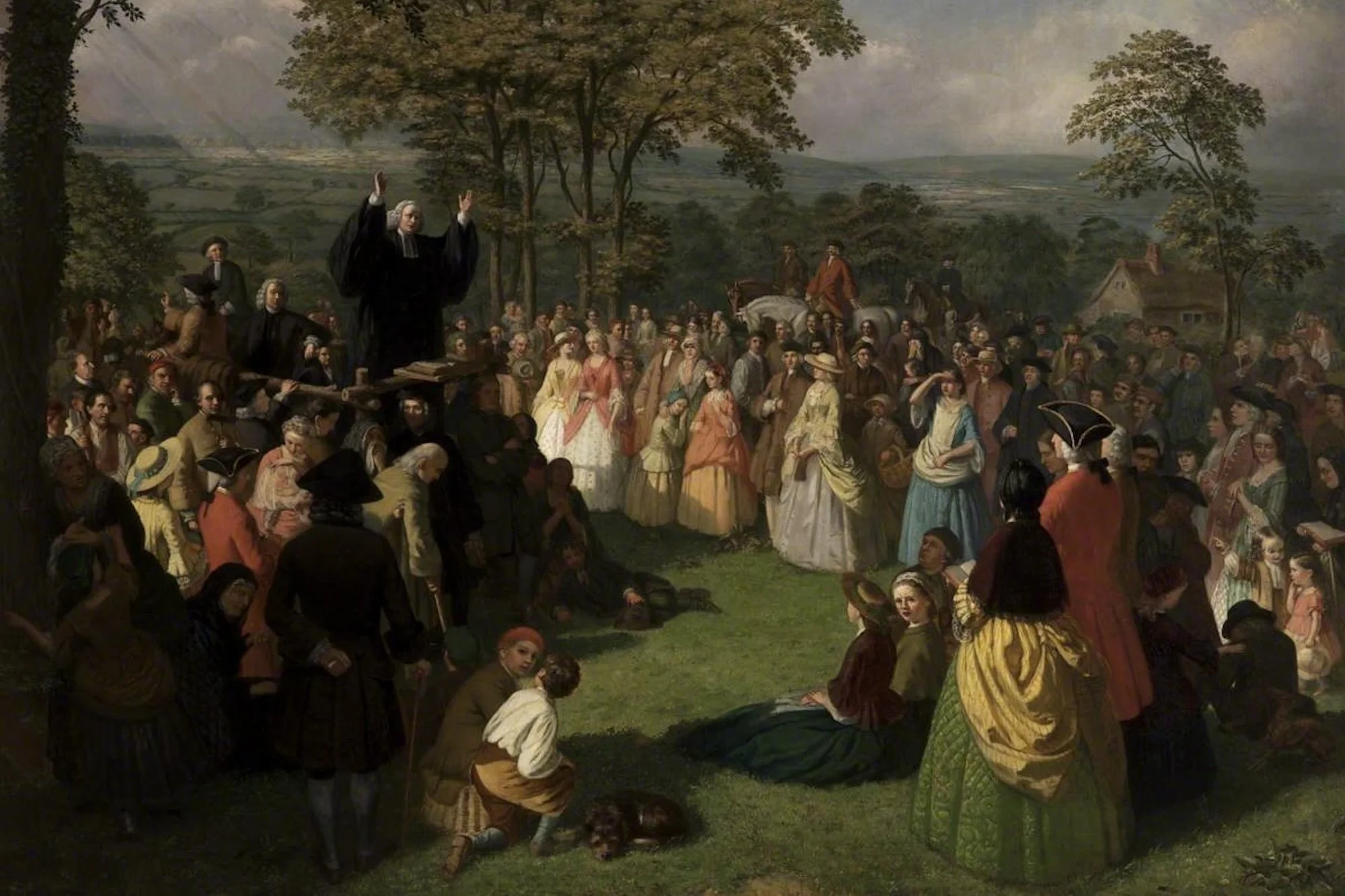
At the time of his death in 1770, George Whitefield was one of the most well-known people in the American colonies. Though virtually unknown outside of religious circles today, he has been regarded by many historians as perhaps the greatest religious figure of the 1700s.

You could be a saint. Through the death and resurrection of Jesus and the work of the Spirit, every single person is not only called to holiness but capable of it. C.S. Lewis argued forcefully in his classic Mere Christianity that the whole purpose of the church was to make us “little Christs.”

The church’s crisis of formation is not simply a crisis of discipleship programs. It is a crisis of imagination—a failure to see holiness as the Spirit‑empowered way of being human in the world God loves. Wesleyan theology has always insisted that sanctification is not an escape from creation but the healing of creaturely life.




























Whenever Wesley wrote about 1 John, he did so with remarkable enthusiasm. On 18 July 1765, he noted in his journal: “In the evening I began expounding the deepest part of the holy Scripture, namely, the first Epistle of St. John, by which, above all other, even inspired writings, I advise every young preacher to form his style.