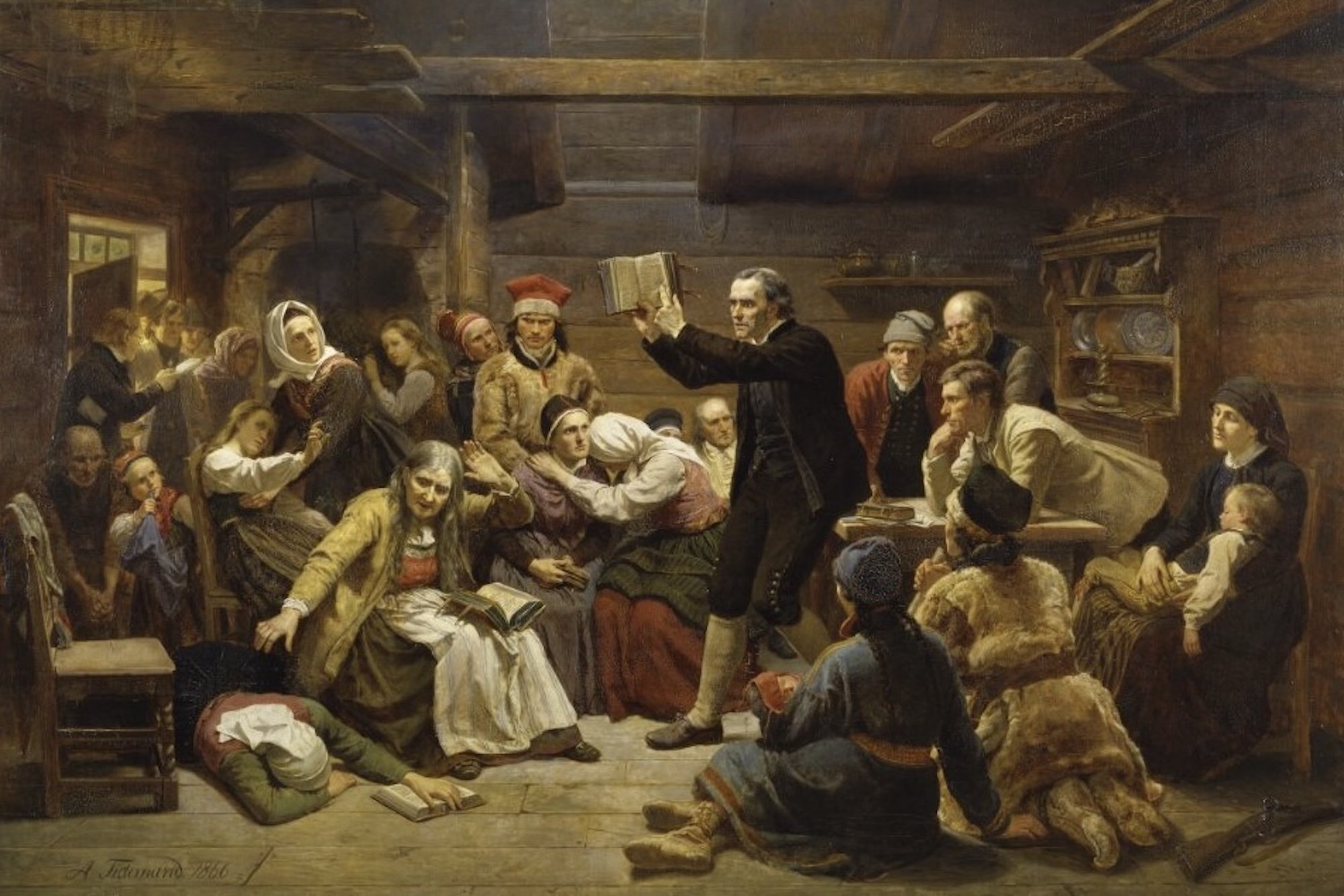
Philip Jacob Spener died in 1705. He was perhaps the most important figure in German Lutheranism in his day. In 1666, as lead pastor in Frankfurt, he began meetings with lay people to discuss the previous sermon.
Read More
Philip Jacob Spener died in 1705. He was perhaps the most important figure in German Lutheranism in his day. In 1666, as lead pastor in Frankfurt, he began meetings with lay people to discuss the previous sermon.
Read MoreThe modern church cannot hold. Not attendance or budgets or programs but people. In many congregations there is a growing sense of ecclesial thinness: communities that gather but do not form; worship that inspires but does not sustain; institutions that speak of belonging but often cannot bear the weight of people’s stories, wounds, callings and questions.
Read MoreWhenever Wesley wrote about 1 John, he did so with remarkable enthusiasm. On 18 July 1765, he noted in his journal: “In the evening I began expounding the deepest part of the holy Scripture, namely, the first Epistle of St. John, by which, above all other, even inspired writings, I advise every young preacher to form his style.
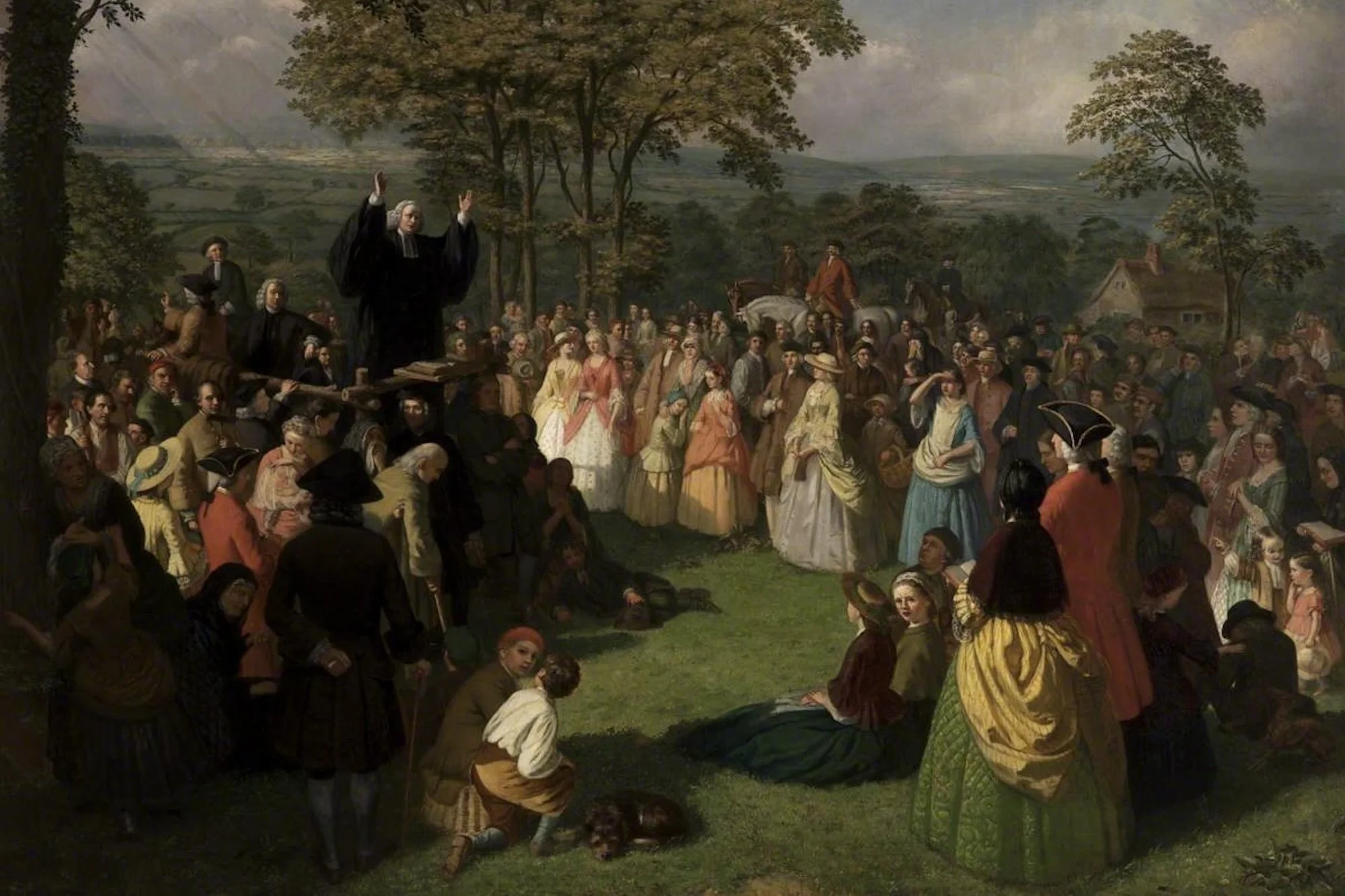
Read MoreAt the time of his death in 1770, George Whitefield was one of the most well-known people in the American colonies. Though virtually unknown outside of religious circles today, he has been regarded by many historians as perhaps the greatest religious figure of the 1700s.
Read MoreYou could be a saint. Through the death and resurrection of Jesus and the work of the Spirit, every single person is not only called to holiness but capable of it. C.S. Lewis argued forcefully in his classic Mere Christianity that the whole purpose of the church was to make us “little Christs.”
Read MoreThe church’s crisis of formation is not simply a crisis of discipleship programs. It is a crisis of imagination—a failure to see holiness as the Spirit‑empowered way of being human in the world God loves. Wesleyan theology has always insisted that sanctification is not an escape from creation but the healing of creaturely life.
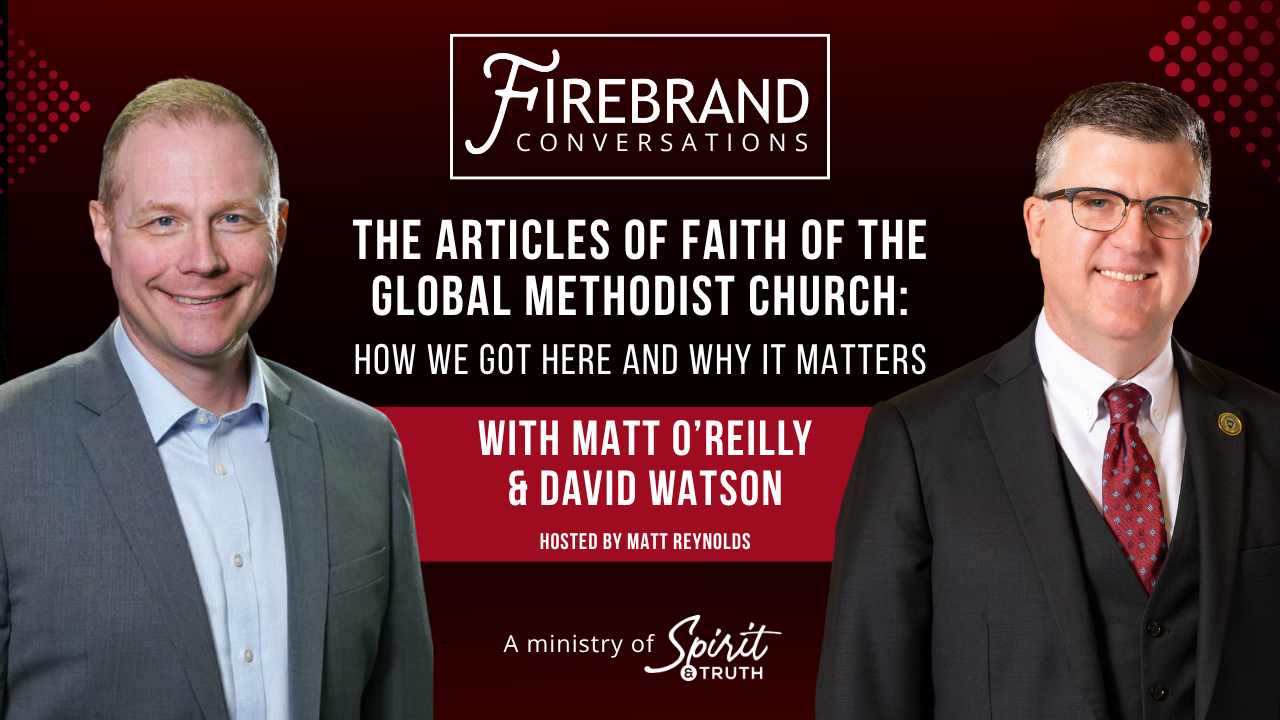
Read MoreDr. Matt O'Reilly and Dr. David Watson share about the new Articles of Faith of the Global Methodist Church. In this conversation we dive into why this new doctrinal statement was needed, the history that led to its creation, the implications moving forward, and hopes for how local churches will use use the statement practically.
Read MoreThe idea of Christ’s presence in the Lord’s Supper is deeply significant for the Wesleyan theological worldview. Everything that we as Methodists believe about Communion emerges from that idea—the real presence of Christ at the table.
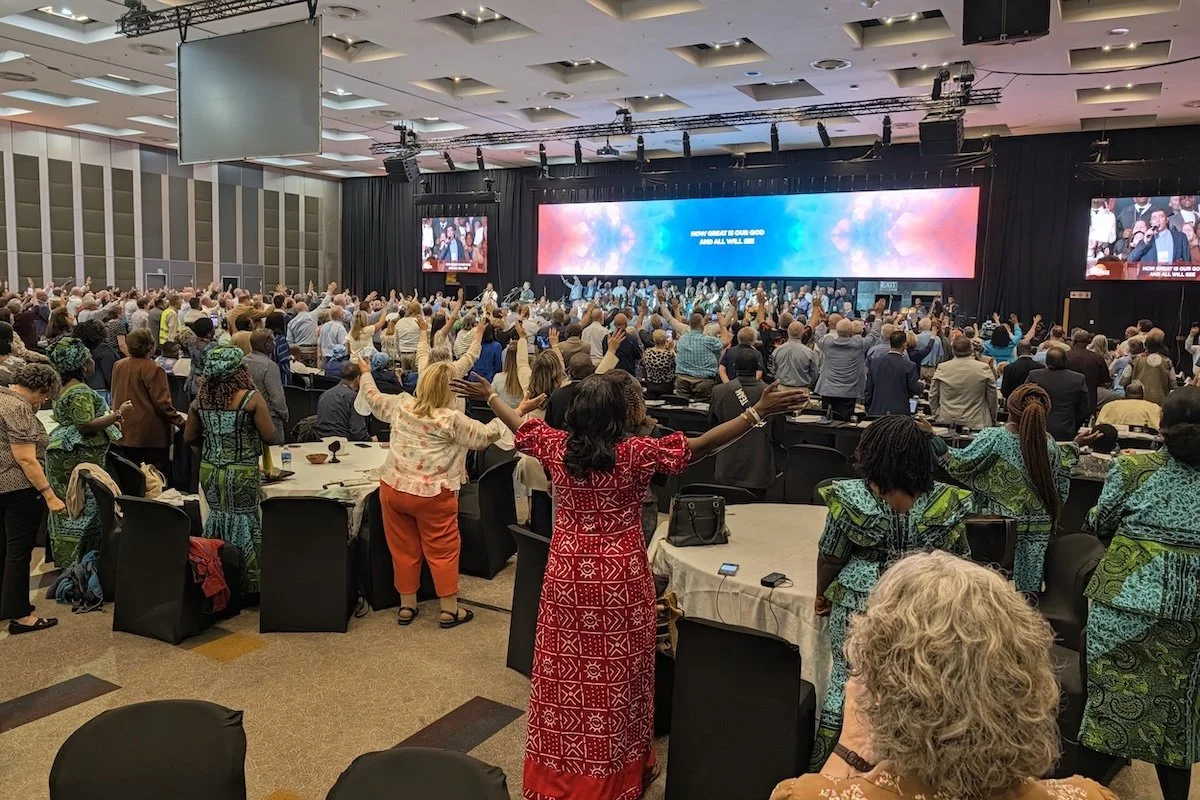
Read MoreIn Global Methodist circles, we are still rejoicing over the glory and grace that bathed our recent General Conference (GC) in Johannesburg. Even for those of us watching from afar, the beauty of holiness was palpable.
Read MoreAcross the Christian landscape, people are naming the same ache: life feels too fast, too loud, too fragmented. Churches are busy but thin. Leaders are exhausted. Communities feel unmoored.
Read More