
The Word Made Flesh and the Church Made Whole
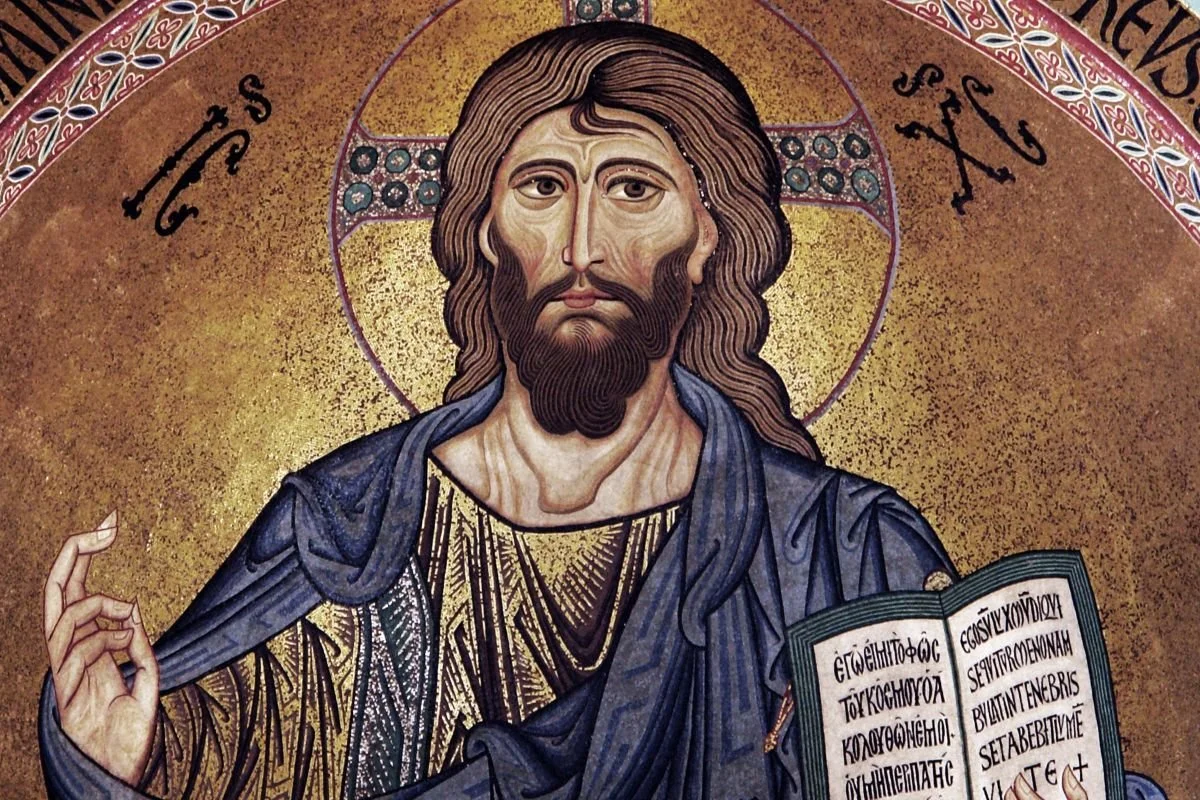
Christus Pantocrator, Cathedral of Cefalù, circa 1130. (Source: WikiCommons)
A Church Losing Its Christ
It happened quietly in a church fellowship hall on a Wednesday evening. A Bible lay open, and lukewarm coffee sat untouched; the discussion drifted into the identity of Jesus, a topic that ought to ignite worship, yet instead revealed something else: disorientation. One participant described Jesus as the greatest moral teacher. Another framed Him as the embodiment of divine compassion. A third imagined Him as a Spirit-anointed human, a prophet-like figure. And finally, quietly, almost apologetically, someone said, “I’m not sure Jesus was literally God…at least not in the way most people think.”
The room grew still. The words were neither rebellious nor provocative. They were worn, familiar, almost domesticated. And that was precisely the problem. This is the crisis of the contemporary church: not defiance against Christ, but forgetfulness of His identity; not hostility toward doctrine, but a gradual erosion of the very confession that makes Christianity Christian. The American Mainline has not rejected Jesus; it has reduced Him. And a reduced Christ cannot sustain the weight of the gospel, the urgency of salvation, or the depth of human longing.
When Christology collapses, so does the Church. Worship becomes sentiment. Mission becomes activism. Discipleship becomes therapy. The Church becomes busy, yet hollow; socially aware, yet spiritually impoverished; engaged, yet unanchored. Meanwhile, the spiritual hunger of the culture intensifies, and the Church, deprived of her Christ, finds herself unable to speak a word of power, authority, or hope.
Why High Christology Matters Now
A high Christology is not a luxury for theologians; it is the lifeblood of the Church. It is the confession that Jesus Christ is truly God and truly human: eternally begotten, uncreated, the Logos through whom all things were made. This is not an ornamentation to the Christian faith. It is the foundation of Christian reality. As the Gospel of John declares, “And the Word became flesh and dwelt among us,” grounding Christian faith not in abstraction but in the embodied presence of God among His people.
A Christ who is less than divine is not Savior, only sage. A Christ who is less than human is not Redeemer, only a symbol. A merely inspiring Christ cannot conquer sin, death, hell, or the grave.
The Incarnation is not a metaphor; it is an ontological revolution. God enters human vulnerability, takes on flesh, experiences suffering, hunger, fatigue, betrayal, and death. In doing so, He redeems humanity from within, not by remote decree but by embodied solidarity. If the Church loses this confession, she loses everything. If she proclaims Christ boldly, she becomes fire again.
Spiritual Formation as Participation in Christ
Spiritual formation is not self-improvement, self-care, or self-actualization. It is participation in the life of Christ. To be formed spiritually is to be drawn into the life of the Incarnate One: His love, His holiness, His humanity, His divinity.
Word and Table are not optional accessories to Christian life; they are the means by which Christ dwells in His people. Baptism unites us with Christ’s death and resurrection. Holy Communion is not a symbol of remembrance alone, but a participation in the life of Christ. Modern reductionism has turned theology into abstraction and sacraments into cognitive reminders, but genuine Christian formation is embodied, sacramental, and communal because the God who saves us is embodied, sacramental, and communal.
The Testimony of the Great Tradition
The Great Tradition speaks with one voice: Christ must be confessed in His fullness. Athanasius defended the Incarnation as essential for defeating corruption and death. Nicaea proclaimed the Son’s consubstantiality with the Father. Chalcedon declared Christ fully God and fully human, “without confusion, without division.” These were not academic exercises; they were battles for the survival of Christian identity. The early Church understood that if Christ was not God, salvation collapses. If Christ were not human, atonement collapses. If Christ were anything less than the God-Man, the Church loses the heart of her proclamation.
The Spiritual Hunger of Our Age
We live in an age where spiritual longing has intensified, even as church affiliation declines within the Mainline Protestant churches of the United States. Young adults formed in these contexts frequently describe Christianity not as wrong but as thin, bereft of transcendence, mystery, or power. Many seek meaning, identity, and belonging in places that cannot sustain the weight of their souls. Many turn to activism, nationalism, therapy, or self-invention, and find each one insufficient.
The rise of teenage anxiety, depression, and suicide is not merely psychological; it is theological. A generation shaped within a diminished theological imagination has been trained to believe they must invent themselves, justify themselves, save themselves. Without the Incarnate Christ, they are left without a grammar for hope. Without the Word-made-flesh, they cannot make sense of their own embodied lives.
Neither the political right nor left can offer what the Incarnation offers: a God who enters our suffering, takes on our humanity, and restores our dignity.
A Witness of Renewal
When a congregation rediscovers classical Christology, life returns. Teaching the Incarnation clearly and consistently awakens worship, deepens reverence, and enlivens mission. Congregations become rooted, confident, and joyful because they have rediscovered the center.
Christ is not an accessory to the Church; He is its foundation. When Christ is proclaimed in the fullness of His divinity and humanity, the Church becomes radiant, resilient, and apostolic once again.
What, then, might a local congregation do to recover this historic confession? How can the Chalcedonian affirmation, that Christ is fully God and fully human, be reclaimed not merely as doctrine but as lived reality in the Church? Allow me to suggest the following steps as a beginning point.
Practical Steps for Local Churches
Preach Christ in His fullness, every sermon, every series, every season.
Restore sacramental worship to the center of congregational life.
Teach the creeds regularly and unapologetically.
Cultivate embodied practices of formation: prayer, Scripture, fasting, and fellowship.
Resist political captivity; the Church serves no earthly kingdom.
Embrace simple rhythms of discipleship: worship, generosity, service.
Encourage creativity in catechesis, art, storytelling, liturgy, and testimony.
The Word Made Flesh and the Church Made Whole
In my own pastoral context, intentionally reclaiming these practices, especially preaching a consistently high Christology and restoring sacramental depth, has reshaped the spiritual imagination of the congregation. Worship has become more reverent, discipleship more grounded, and mission more clearly anchored in the person of Christ rather than in trends or programs. Over time, the Church has grown not merely busier, but deeper, steadier, and more confident in her identity.
In conclusion, a diminished Christ produces a diminished church. A robust Christology produces a resilient one. This is the moment for pastors and congregations willing to proclaim the staggering truth: “And the Word became flesh and dwelt among us.” Only this Christ can sustain the Church. Only this Christ can satisfy the hunger of our age. Only this Christ is Lord.
Christopher M. A. Wise is Senior Pastor of First Methodist Church in Carrier Mills, Illinois (Global Methodist Church).